
East End Nest: A Stove for All Seasons
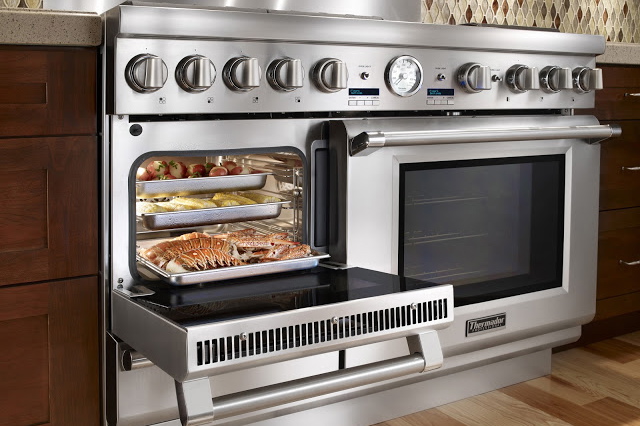
With Labor Day freshly behind us, we created many fun memories this summer while cooking and entertaining at home.
All around the East End, there were grills blazing nightly, as many Hamptonites appreciate entertaining and cooking outside overlooking the garden, the pool or under the pergola while taking advantage of the warm weather Mother Nature served up for three months. Soon enough, and maybe even in a few short weeks, we will be back inside our kitchens preparing meals over a stove most evenings. I do look forward to preparing slow-cooking stews and even trying out some new baked good recipes once the days become shorter and nights chillier. The fall season may rival the natural, sun-swept beauty summer brings to the area. During fall’s glowing harvest season, we are surrounded by fields of bright yellow sunflower fields, orchards of ripe apples ready to be hand-picked and pumpkin patches crowded with their harvest. It is exciting to note that with a brand new kitchen technology and product launch this summer, many cooks will have the opportunity to cook on state-of-the-art stoves and ovens to whip up their fall meals. The timing could not be better with the newly introduced professional series of built-in steam and convection ovens by stove manufacturer, Thermador.
I had the opportunity to visit the Thermador headquarters this summer in Irvine, California to cook on their state of the art cooking appliances in the company’s headquarters. Along with 20 other designers, we shopped, cooked and ate together over a weekend in sunny, Southern California. The in-house chefs at Thermador taught us the ins and outs of many cooking techniques, and specifically focused on cooking on their newly launched professional steam and convection ovens. First, we shopped together for fresh, local ingredients then created a delicious lunch to share together. With the many new items the company has launched, the professional steam oven piqued my interest the most. One of the biggest surprises for me was how delicious homemade bread, cookies and baked goods were after cooking them in a steam oven. At first, steam cooking sounds like the food could possibly turn out soggy, but quite the contrary. The way the steam oven works with cooking from the inside out, the food is crispy outside and moist and tender inside. The process of steam cooking when done properly is an efficient way of cooking with less time spent in the kitchen as well.
Thermador has been producing steam ovens for quite some time, and as the inventors of the wall oven nearly 100 years ago, the company now brings the steam oven technique to the cooking world. Steam and convection cooking combination takes the ease and convenience of cooking to another, higher level in quality while providing savvy home cooks with an even more sophisticated product to hone their culinary skills. This new, professional series offers 49 automatic food programs, 10 advanced cooking modes, a meat probe and cookbook offering more than 80 recipes all created with the experienced cook in mind. Additionally, the professional series is the first American-made built-in steam oven that does not require a 30” trim kit, making it available for more kitchens.
The actual unit offers true convection and steam cooking modes with easy knob control. The oven is large with a 1.4-cubic foot cavity size, and using a state of the art full text user interface. The cavity is Stainless steel and the unit even comes with a meat probe. The seamless styles works well with other products, and matches the finish and aesthetic with the existing lines of appliances in their collection.
With the introduction of this new oven, Thermador will be the only brand that offers three differentiated steam oven styles. The ovens are made right here in the United States in the company’s Tennessee factory. I was impressed with the quality of the iconic line of cooking products, and now heading into a busy cooking season, the steam oven is on my “wish list” for the future.
Vetted Hamptons Resources